
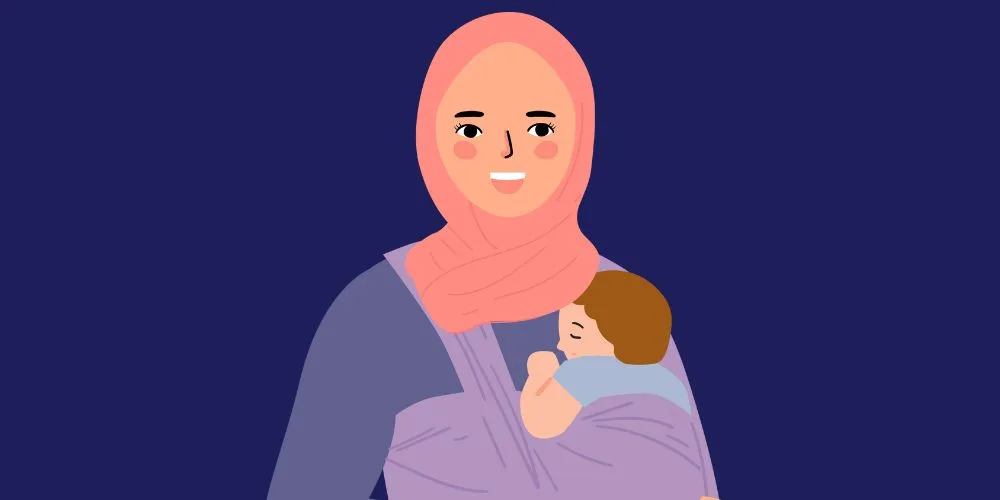




In a small coastal community in Kenya, a group of vulnerable young mothers have taken the first steps to self-empowerment through an innovative skills training program. Their journey demonstrates the transformative potential of targeted support for marginalized women.
Meet the Matunda Young Mothers Group, hailing from Kijiwe Tanga village in Malindi. Comprised of eight unmarried women between ages 19 to 25, most with one or two young children, these mothers confront immense financial struggles. Like many young mothers in rural Kenya without a secondary school education, job opportunities are scarce. Many were pushed into early marriages or pregnancies by circumstances beyond their control. And they carry deep shame in a traditional society that stigmatizes unmarried mothers.
“We suffer quietly while taking care of our children. We have no income and some days the children sleep hungry. We face shame even from our own families,” shares Jane, a 23-year-old mother.
Against this bleak backdrop, the Matunda mothers caught wind of a new training program for young mothers being offered by the Muslims Women Advancement of Rights and Protection (MWARP), a women’s rights organization. Recognizing the extreme marginalization facing unmarried young mothers, MWARP designed a tailored skills building and mentorship program with support from Global Affairs Canada through URAIA.
For these demoralized mothers, joining the program ignited the first sparks of hope. They began to imagine possibilities beyond destitution.
Practical Skills to Lift Up Young Mothers
The immediate need for stable livelihoods led MWARP to focus training on concrete income generating skills. Through hands-on lessons, the young mothers learned to produce low-cost household necessities like detergents, soaps, disinfectants, and cleaning agents using locally available ingredients.
“Before I did not know anything about making these items myself. Now I have expertise to produce quality, affordable products that the community needs,” shares Neema.
This knowledge has empowered the mothers to launch their own micro-enterprise manufacturing and selling household goods. It offers a lifeline of financial independence and dignity.
“We can support our children through our own small business instead of depending on others,” says Leila, a 20-year-old mother struggling to provide for her young son.
As an extra bonus, neighbors appreciate access to less expensive alternatives to high priced commercial soaps and detergents.
“The skills help us earn an income while helping families save money. It is a win-win for the young mothers and the community,” explains Leila.
From Shared Struggles to Collective Strength
In addition to vocational skills, the program nurtures empowerment through peer bonding and mentorship. For isolated young mothers stigmatized by society, connecting over shared struggles shows collective strength. The support network fosters resilience to confront obstacles.
“Before I thought I was the only one suffering this much. Meeting other young mothers showed me we can uplift each other,” shares Neema.
Seasoned mentors provide guidance navigating the unfamiliar waters of business ownership and financial management as young mothers with minimal education.
“The mentor really encourages us and gives wisdom on saving and planning for our children’s future,” says Rehema.
These human bonds fortify self-worth and courage to break out of marginalization’s clutches.
Lighting Sparks of Progress
Today, the Matunda Young Mothers glow with restored dignity and self-reliance. Their micro-enterprise produces 150 liters of liquid detergent weekly, generating a small profit to reinvest and support their families.
“This program changed my life. Now I can stand on my own two feet,” shares Leah.
The mothers boldly share advice with neighbors, lighting sparks of progress throughout the community. Rehema trained her sister to make cleaning agents for supplemental income. Neema helps her auntie initiate a backyard garden for nutritious vegetables.
Ripple effects manifest in children too. Witnessing their mothers’ entrepreneurship plants seeds of ambition. Stella’s son Zion declares, “When I grow up, I want to start a business selling clothes and shoes.”
The Road Ahead
Meaningful change takes time. Entrenched marginalization will not disappear overnight. Obstacles like securing startup capital and identifying markets persist. Ongoing training and mentoring is needed to nurture sustainability.
But the mothers are resolute. “We will keep working hard to grow our business collectively so all young mothers and children can benefit,” declares Stella.
Armed with newfound knowledge, confidence and sisterhood, these courageous women now walk the path to self-empowerment—one determined step after another. Their strides, no matter how small, inspire hope in a society that has long neglected young mothers.
Let their journey serve as a clarion call for change. Kenya’s future rests on empowering its most marginalized women and girls through compassion and care. The time for action is now.

Leave a Reply